
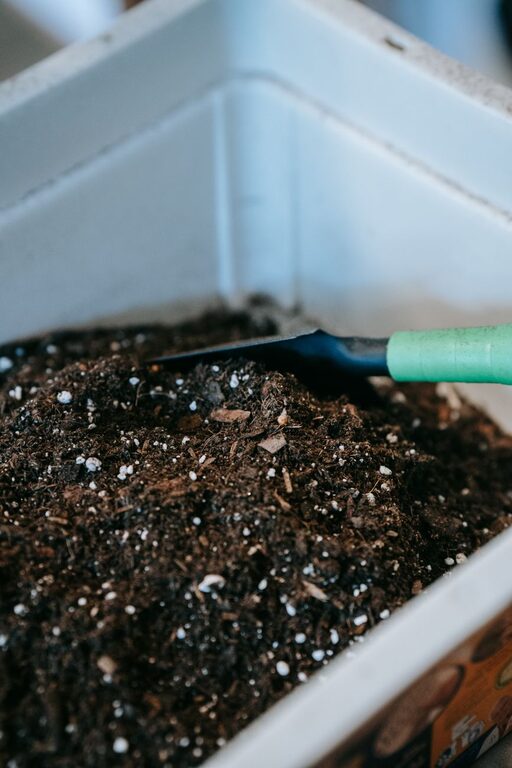
Composting is an easy and rewarding way to reduce waste while creating nutrient-rich soil for your garden. If you’re new to composting, it may seem a little confusing at first, but with the right approach, anyone can turn kitchen scraps and yard waste into black gold for plants. This guide will walk you through the basics of composting at home and provide beginner tips to help you get started successfully.
What is Composting?
Composting is the natural process of recycling organic materials, such as food scraps and yard waste, into a dark, crumbly soil amendment called compost. This compost enriches garden soil, helps plants grow, and reduces the need for chemical fertilizers. It’s an environmentally friendly way to reduce trash sent to landfills.
Why Compost at Home?
– Reduces Waste: Diverts kitchen and garden waste from the trash.
– Improves Soil: Adds nutrients and improves soil structure.
– Saves Money: Reduces the need for store-bought fertilizers.
– Helps the Environment: Cuts down on methane emissions from landfills.
Getting Started: Choose a Composting Method
There are several ways to compost at home. The right method depends on your space, time, and preferences.
Backyard Compost Bin or Pile
If you have outdoor space, a compost bin or an open pile is a great option. You can buy a compost bin or build one yourself from wood or wire mesh.
Tumbler Composters
A compost tumbler is a sealed container on a drum that you can rotate. This speeds up the composting process and keeps things tidy.
Indoor Composting
For those with limited space, indoor options like worm bins (vermicomposting) or bokashi bins work well. They handle food scraps inside and produce compost or soil amendment.
What to Compost: Greens and Browns
Successful composting requires a balance of “green” and “brown” materials.
– Greens: These are nitrogen-rich and include kitchen scraps like vegetable peels, fruit scraps, coffee grounds, fresh grass clippings, and garden trimmings.
– Browns: These are carbon-rich and include dry leaves, straw, shredded paper, cardboard, sawdust, and small branches.
A good rule of thumb is to aim for about 2 to 3 parts browns to 1 part greens by volume.
What NOT to Compost
Avoid adding certain items that can attract pests or cause odor:
– Meat, fish, dairy, and oils
– Pet waste
– Diseased plants
– Weeds that have gone to seed
– Treated wood or charcoal ashes
Setting Up Your Compost Pile or Bin
- **Pick a Spot:** Choose a dry, shady spot with good drainage.
- **Start with Browns:** Begin your pile with a layer of browns several inches thick to aid drainage and airflow.
- **Add Greens and Browns Alternately:** Layer your greens and browns, keeping the balance right.
- **Moisture:** Keep the compost damp, like a wrung-out sponge. Water occasionally if it’s dry.
- **Aerate:** Turn or mix the pile every 1–2 weeks to speed decomposition and prevent odor.
Maintaining Your Compost
– Turning the Pile: Use a pitchfork or shovel to mix the compost. This introduces oxygen which helps microbes break down the material.
– Moisture Check: If the pile is too wet, add dry browns; if it’s too dry, add water or more greens.
– Temperature: Active compost piles will heat up. This is a sign the process is working well.
How Long Does Compost Take?
Composting can take anywhere from a few months to a year depending on factors like materials used, pile size, aeration, and temperature. Hot composting (with good balance and turning) speeds up the process to a few months, while slow composting may take longer.
Harvesting Your Compost
Your compost is ready when it is dark brown, crumbly, and smells earthy, with no recognizable food or plant scraps. Use it to enrich garden beds, potting mixes, or as mulch around plants.
Common Composting Questions
Can I compost citrus or onions?
Small amounts of citrus or onion scraps are okay but use sparingly as they can slow decomposition and attract pests.
What if my compost smells bad?
Bad odor usually means the pile is too wet or lacks oxygen. Turn the pile and add more dry browns.
Do I need worms in my compost?
Worms are beneficial but not essential. They speed up composting by breaking down material.
Tips for Success
– Chop kitchen scraps into smaller pieces to speed up breakdown.
– Keep a kitchen compost bucket to collect scraps easily.
– Avoid adding too much fresh grass clippings at once, as they can mat and smell.
– Use a compost thermometer if you want to monitor temperature.
– Be patient! Composting is a natural process that takes time.
Final Thoughts
Composting at home is a simple way to help the environment and create great soil for your plants. Starting small and learning as you go makes it easy and enjoyable. Whether you use a backyard bin, a tumbler, or indoor worm composting, these beginner tips will set you on the right path. Happy composting!