
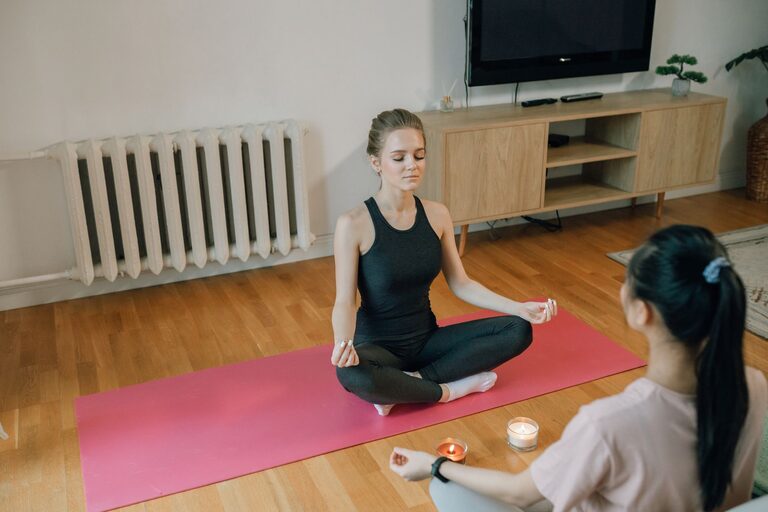
Taking mindful breathing breaks can be a powerful way to reduce stress, increase focus, and improve overall well-being. Whether you are new to mindfulness or looking for practical ways to add calm moments to your busy day, this guide will walk you through easy, beginner-friendly tips to get started with mindful breathing breaks.
What is Mindful Breathing?
Mindful breathing means paying full attention to your breath—the sensations of inhaling and exhaling—without judgment or distraction. This simple practice encourages you to slow down and bring awareness to the present moment, which can help quiet your mind and reduce feelings of stress or overwhelm.
Unlike regular breathing, mindful breathing invites you to observe each breath carefully, noticing its rhythm, depth, and feel. It’s a natural and accessible tool you can use anytime, anywhere.
Benefits of Mindful Breathing Breaks
Incorporating mindful breathing breaks into your routine offers many benefits, including:
– Reduced stress and anxiety: Slowing down your breath triggers the body’s relaxation response.
– Improved concentration: Focusing on breathing helps clear mental clutter and enhances attention.
– Enhanced emotional regulation: Mindful breathing creates space to respond thoughtfully rather than react impulsively.
– Better physical health: Deep, mindful breaths increase oxygen flow and can lower blood pressure.
Even short breaks of just a few minutes can make a meaningful difference in how you feel throughout the day.
How to Begin a Mindful Breathing Break
Starting your mindful breathing practice doesn’t require special equipment or a long time commitment. Here are simple steps to guide you:
1. Find a Comfortable Spot
You can sit on a chair, cushion, or even stand—whatever feels most comfortable. The key is to keep your back straight to allow deep breathing.
2. Set a Timer (Optional)
If you’re new to mindful breathing, start with 2–5 minute breaks. Setting a timer helps you relax without worrying about the clock.
3. Close Your Eyes or Soften Your Gaze
Closing your eyes can help minimize distractions, but if that’s uncomfortable, simply soften your gaze or look downward.
4. Focus on Your Breath
Notice how the air feels as you inhale through your nose and exhale through your mouth or nose. Feel your chest or belly rise and fall.
5. Breathe Naturally
Don’t force your breath. Let it flow smoothly and naturally, paying attention to each inhale and exhale.
6. Gently Return When Distracted
Thoughts will come and go—that’s normal. When you notice your mind wandering, gently guide your focus back to your breath without judgment.
Simple Mindful Breathing Techniques for Beginners
Here are a few easy techniques you can try during your mindful breathing breaks:
Box Breathing
– Inhale deeply through your nose for 4 seconds.
– Hold your breath for 4 seconds.
– Exhale slowly for 4 seconds.
– Hold your breath for 4 seconds.
– Repeat for several rounds.
This rhythmic breathing can quickly calm your nervous system.
4-7-8 Breathing
– Breathe in quietly through your nose for 4 seconds.
– Hold the breath for 7 seconds.
– Exhale fully through your mouth for 8 seconds.
– Repeat for 3–4 cycles.
This technique helps reduce anxiety and promote relaxation.
Belly Breathing
– Place one hand on your belly and one on your chest.
– Inhale deeply through your nose, feeling your belly rise.
– Exhale fully, noticing your belly fall.
– Focus on the movement of your abdomen rather than your chest.
Belly breathing encourages deeper, more effective breaths.
Tips to Make Mindful Breathing Breaks a Habit
Consistency is key to experiencing the full benefits of mindful breathing. Here are some tips to help you build this healthy habit:
1. Schedule Your Breaks
Set aside specific times during your day for mindful breathing, such as mid-morning, lunch break, or before bed.
2. Use Reminders
Use your phone or sticky notes as gentle reminders to pause and breathe mindfully.
3. Start Small
Begin with just 1–2 minutes per break and gradually increase as you feel comfortable.
4. Pair with Daily Activities
Combine mindful breathing with simple activities like waiting for your coffee to brew or during a short walk.
5. Create a Calming Environment
If possible, find a quiet space or play soft background music to enhance your experience.
Troubleshooting Common Challenges
Getting started with mindful breathing might feel awkward at first. Here’s how to handle common difficulties:
– Restlessness or impatience: Remind yourself this is normal. Mindfulness is a skill that improves with practice.
– Distracting thoughts: Gently acknowledge thoughts and redirect focus to your breath, without frustration.
– Physical discomfort: Adjust your posture or try doing the practice lying down if sitting is uncomfortable.
– Forgetfulness: Schedule breaks into your calendar or link them to daily triggers to build routine.
Conclusion
Mindful breathing breaks are an easy and effective way to bring calm and clarity into your day. With just a few minutes of focused breath awareness, you can reduce stress, improve concentration, and boost your emotional well-being. By incorporating these beginner tips into your routine, mindful breathing can become a helpful tool you turn to anytime you need a moment of peace.
Remember, the most important part is to be patient and kind with yourself as you explore this practice. Breathe deeply, and enjoy the moment.