
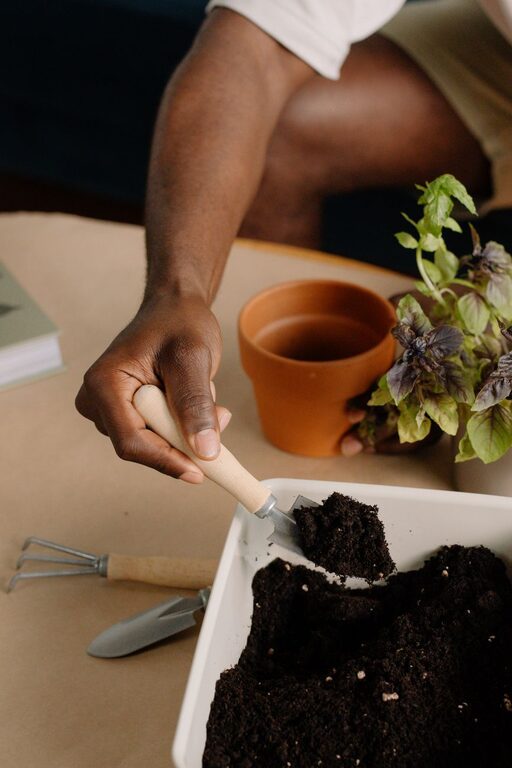
Starting an indoor herb garden is a rewarding way to add fresh flavors to your meals and green beauty to your living space. Whether you have a sprawling kitchen or a small apartment window sill, growing herbs indoors is more accessible than you might think. This guide will walk you through everything you need to know to set up and maintain a small herb garden at home.
Why Grow Herbs Indoors?
Growing herbs indoors has several benefits:
– Freshness: You can snip fresh herbs anytime for cooking, teas, or garnishes.
– Convenience: No need to run to the store or worry about herbs wilting before use.
– Space-saving: Ideal for small living spaces without a garden or yard.
– Healthier environment: Plants improve air quality and add a touch of nature indoors.
Choosing the Right Herbs for Your Indoor Garden
Some herbs are better suited for indoor growth than others. Consider these beginner-friendly options:
– Basil: Thrives with plenty of sunlight and warmth.
– Parsley: Prefers moderate light and is easy to grow.
– Mint: Grows vigorously and can handle less light, but be mindful it spreads quickly.
– Chives: Compact with a mild onion flavor.
– Thyme: Requires good light and well-draining soil.
– Oregano: Loves sunlight and is drought-tolerant.
What You’ll Need to Get Started
Before planting, gather the following supplies:
– Containers: Small pots or containers with drainage holes.
– Potting mix: Use a quality potting soil formulated for indoor plants.
– Seeds or seedlings: Seeds are economical; seedlings offer faster results.
– Watering can: For gentle watering.
– Trays or saucers: To catch excess water and protect surfaces.
– Light source: Natural sunlight or grow lights if needed.
Step-by-Step Guide to Starting Your Indoor Herb Garden
Step 1: Choose the Location
Find a bright spot with at least 4-6 hours of indirect sunlight daily. A south-facing window is ideal. If natural light is limited, consider using a grow light placed about 6-12 inches above the plants.
Step 2: Prepare Your Containers
Select pots around 4-6 inches wide. Ensure they have drainage holes to prevent waterlogging, which can cause root rot. Place a tray underneath to catch excess water.
Step 3: Fill with Potting Mix
Fill containers with a light, well-draining potting mix. Avoid garden soil as it can be too dense and may contain pests.
Step 4: Plant Your Herbs
If you’re using seeds:
– Follow the packet instructions for planting depth.
– Gently press the seeds into the soil surface or cover lightly.
– Keep the soil moist but not soggy.
If using seedlings:
– Create a small hole in the soil.
– Place the seedling carefully and cover the roots.
– Pat the soil gently to remove air pockets.
Step 5: Water Your Herbs
Water immediately after planting. Keep the soil consistently moist but never waterlogged. Check soil moisture by touching the top inch; water if it feels dry.
Step 6: Maintain Optimal Conditions
– Light: Provide adequate light daily.
– Temperature: Most herbs prefer 65-75°F.
– Humidity: Average indoor humidity works well. If air is dry, mist the plants occasionally.
– Air circulation: Avoid stagnant air; open nearby windows or use a fan.
Care Tips for a Healthy Herb Garden
Regular Watering
Herbs like basil and parsley prefer moist soil, while thyme and oregano enjoy it a bit drier. Monitor your specific herbs and adjust watering accordingly.
Pruning and Harvesting
Regularly pinch off the tips of your herbs to encourage bushier growth. Harvest leaves from the top, avoiding removing more than one-third of the plant at a time.
Fertilizing
After about four weeks, feed your herbs with a balanced, water-soluble fertilizer once a month. Avoid over-fertilizing, which can reduce flavor.
Watch for Pests
Indoor herbs are generally pest-free, but keep an eye out for aphids or spider mites. If noticed, wipe leaves with a soft cloth or use a mild solution of water and dish soap.
Troubleshooting Common Issues
– Yellowing leaves: Often caused by overwatering or poor drainage.
– Leggy growth: Indicates insufficient light; move plants closer to a light source.
– Wilting: Check soil moisture; under- or over-watering are common causes.
– No new growth: May need more light or nutrients.
Expanding Your Herb Garden
Once comfortable, try adding more exotic or culinary herbs like cilantro, rosemary, or dill. Experiment with different container styles or create a dedicated herb garden wall for more space efficiency.
Final Thoughts
Starting a small indoor herb garden is a fun and easy way to cultivate fresh, flavorful herbs all year round. With a little planning and care, your kitchen can become a lush green space that enhances both your meals and your home environment. Happy gardening!
—
If you have questions or want to share your indoor herb garden journey, feel free to leave a comment below!